
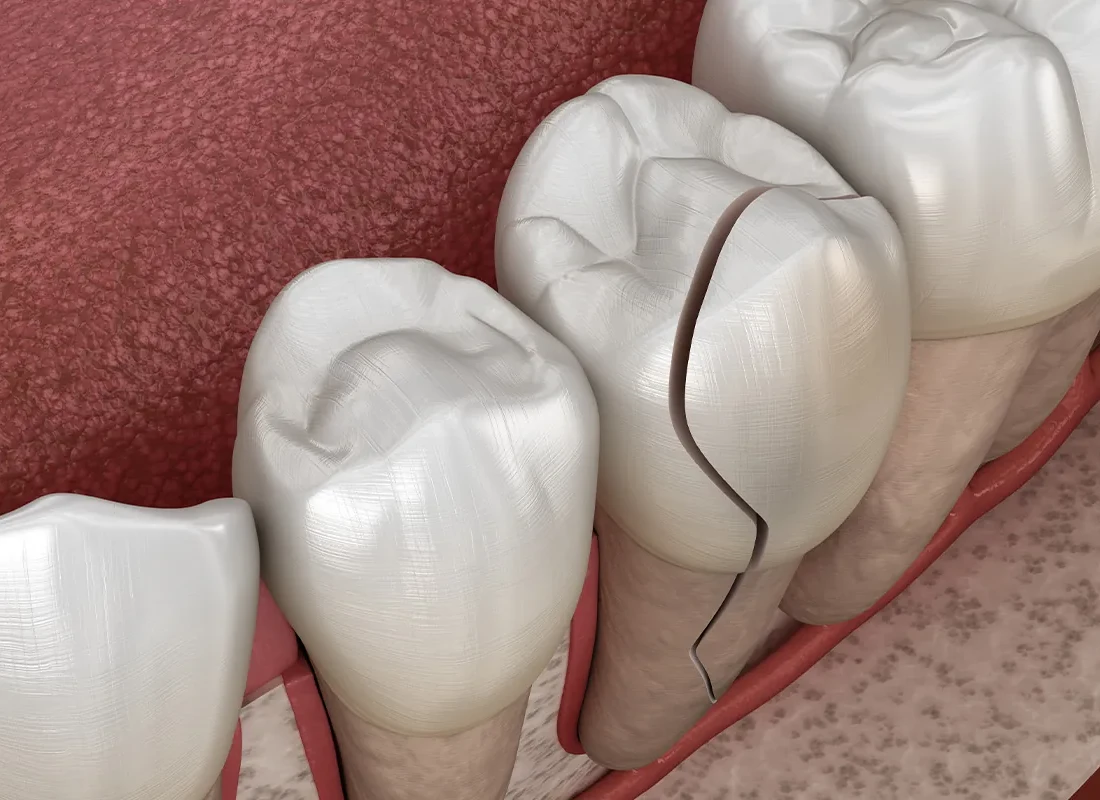
A cracked tooth over the holiday calls for calm steps at home and a prompt dentist visit.
Bit down on a nutshell, a hard roll or a stray bone and felt something give? Knowing what to do if you crack a tooth matters most when the dentist’s office may be closed for the holiday. A cracked tooth is a break or split in the enamel, sometimes reaching the layers underneath.
Emergency dentistry exists for sudden injuries like this. The first steps at home are simple, and they protect the tooth until a dentist can look at it.
Quick Answer
If you crack a tooth on Thanksgiving food, rinse with warm water, hold a cold compress against the cheek and contact a dentist or emergency room as soon as possible. Choose soft foods and chew on the other side until the tooth is examined. Do not put aspirin on the aching tooth or the gums.
Key Takeaways
- Rinse with warm water, then hold a cold compress against the cheek to limit swelling.
- Pain that fades is not a reason to skip the dentist visit after a crack.
- Do not put aspirin on the aching tooth or the gum tissue.
- Most dentists reserve time for emergency patients, so a clear phone description helps the office plan.
- Ice, popcorn kernels and hard candy are common ways to crack a tooth.
What Counts as a Cracked Tooth?
A cracked tooth can be a fine hairline in the enamel or a split that reaches the inner layers. A hairline may cause no pain at all, while a deeper split can hurt when biting down or when something cold touches the tooth.
Holiday food is a frequent cause. A nutshell hidden in the stuffing, a bone in the turkey, a hard roll or a piece of candied pecan can all put sudden force on a tooth. A dentist is the only person who can tell how deep a crack runs.
What Should I Do Right Away at Home?
Rinse the mouth with warm water and put a cold compress on the face. According to MouthHealthy from the American Dental Association, the warm water cleans the area and the cold compress keeps swelling down. If the lip or tongue was bitten in the same moment, clean the area gently with water and cool it with a compress too.
A few other habits help. Chew on the opposite side until the tooth has been seen, and choose soft foods, which put the least pressure on a weakened tooth. MouthHealthy also advises against putting aspirin on an aching tooth or the gum tissue.
When Does a Cracked Tooth Need Care Right Away?
A cracked tooth needs a dentist or an emergency room as soon as possible, according to MouthHealthy’s advice for any dental emergency. Severe pain, bleeding that does not stop, a visibly loose tooth, or a break large enough to expose the pink tissue inside make the visit more urgent.
Go to the ER or call 911 if swelling spreads toward your eye or neck, you have trouble breathing or swallowing, or bleeding won’t stop. A fever with facial swelling needs care the same day. A blow to the head or jaw alongside the cracked tooth also calls for an emergency room.
How Does Holiday Timing Affect a Cracked Tooth?
A crack on Thursday afternoon still needs a dentist soon, even if the regular office is closed for the holiday. Pain may calm down, food may get pressed into the break, and a weakened tooth that takes another bite of turkey may split further.
MouthHealthy notes that most dentists set aside time each day for emergency patients, and it advises calling the dentist with as much detail as possible. Useful details are which tooth it is, what the person was biting and whether anything is swollen.
What Happens When a Dentist Examines the Tooth?
The dentist asks which tooth hurts, what you were biting and when the pain started, then looks at the tooth and the gum around it. The exam aims to find where the crack runs and how deep it goes. X-rays and a bite test help the dentist assess the tooth, but they may not show exactly how far the crack extends.
Treatment depends on how deep the crack runs. A small chip may only need smoothing or bonding, while a deeper crack may call for a crown that holds the tooth together. If the nerve is inflamed, a root canal may come first, and a split that runs below the gum line can mean the tooth cannot be saved.
How Can Holiday Meals Be Less Risky for Teeth?
MouthHealthy lists ice, popcorn kernels and hard candy as common ways to crack a tooth. Skipping those foods is the simplest protection.
Holiday tables add their own hazards. Check rolls and bowls of nuts for shells and pits, and pass on the hardest brittle. MouthHealthy also advises wearing a mouth guard for sports and recreation.
Frequently Asked Questions
What should I do if I crack a wisdom tooth?
Contact a dentist promptly and chew on the other side until the tooth is examined. Rinse gently with warm water and use a cold compress for swelling. The dentist assesses the damage and recommends whether the wisdom tooth can be repaired or needs to be removed.
What should I do if my child cracks a baby tooth?
Contact a dentist promptly, even though a baby tooth will eventually fall out. Help the child rinse gently with warm water if the child can spit, and offer soft foods. The dentist examines the injury and recommends care that fits the tooth and the child’s age.
Can I use glue to repair a cracked tooth?
Household glue is not a safe way to repair a cracked tooth and should stay out of the mouth. Trying to seal or file the damage at home can make it worse. Protect the tooth from chewing pressure and contact a dentist, who can recommend the right treatment.
Related Reading
- How to Handle a Toothache When Dentist Offices Are Closed
- Mouth Guard vs. a Night Guard: Which One Do I Need?
About the Author
This post was reviewed by Dr. Zahra Hanieh Ezzy, DDS, who earned her DDS at USC’s Herman Ostrow School of Dentistry, completed advanced training in aesthetic dentistry through the UCLA School of Dentistry Aesthetic Continuum and holds a fellowship from the International Dental Implants Association.
- If you want to learn more about cracked teeth, visit our Emergency Dentistry in Tustin, CA, page or schedule a consultation.